I was born December 28, 1999, in Bridgeport, Connecticut. I have always been a family guy and have always enjoyed listening to family stories and visiting the gravesites of my relatives.
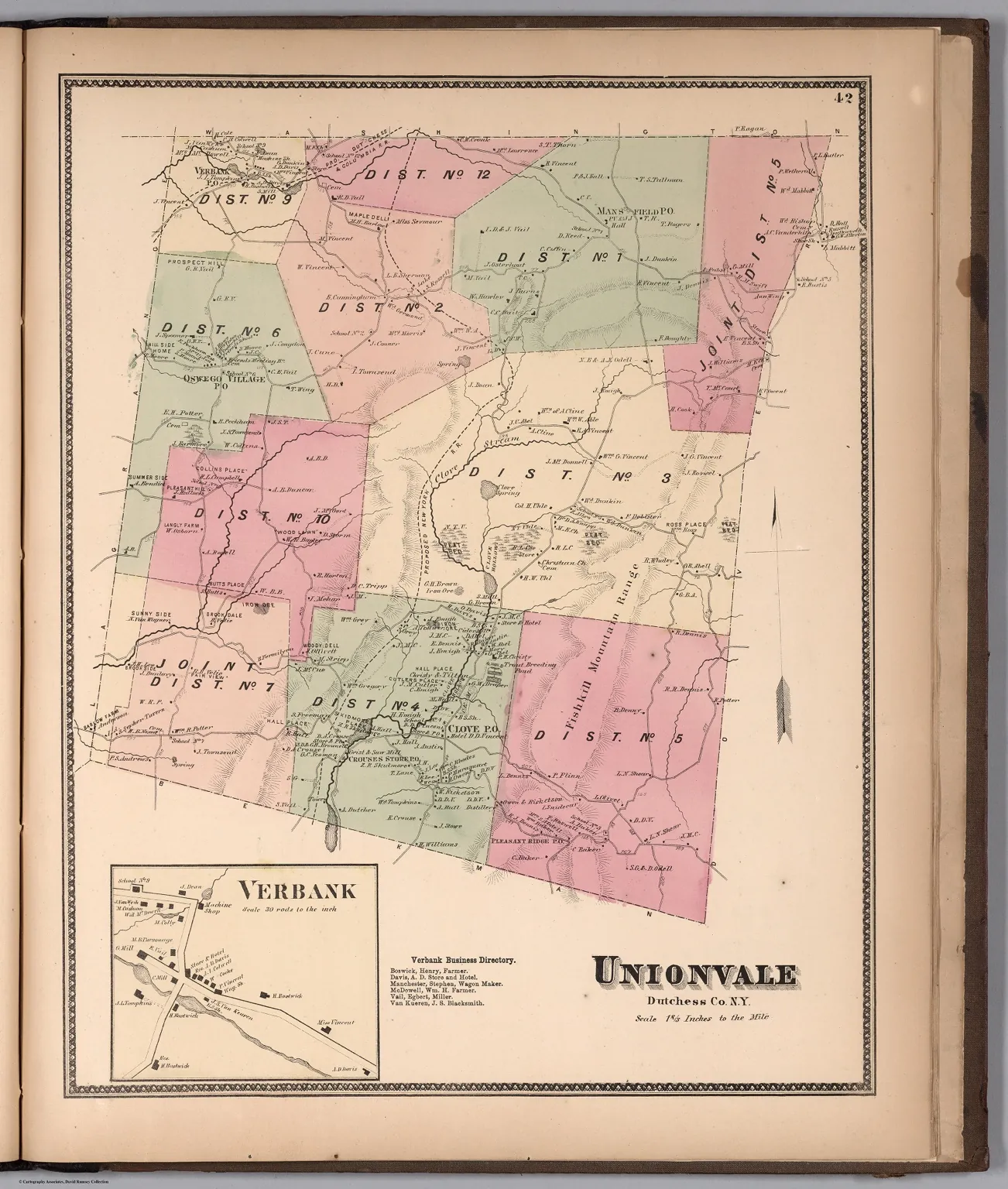
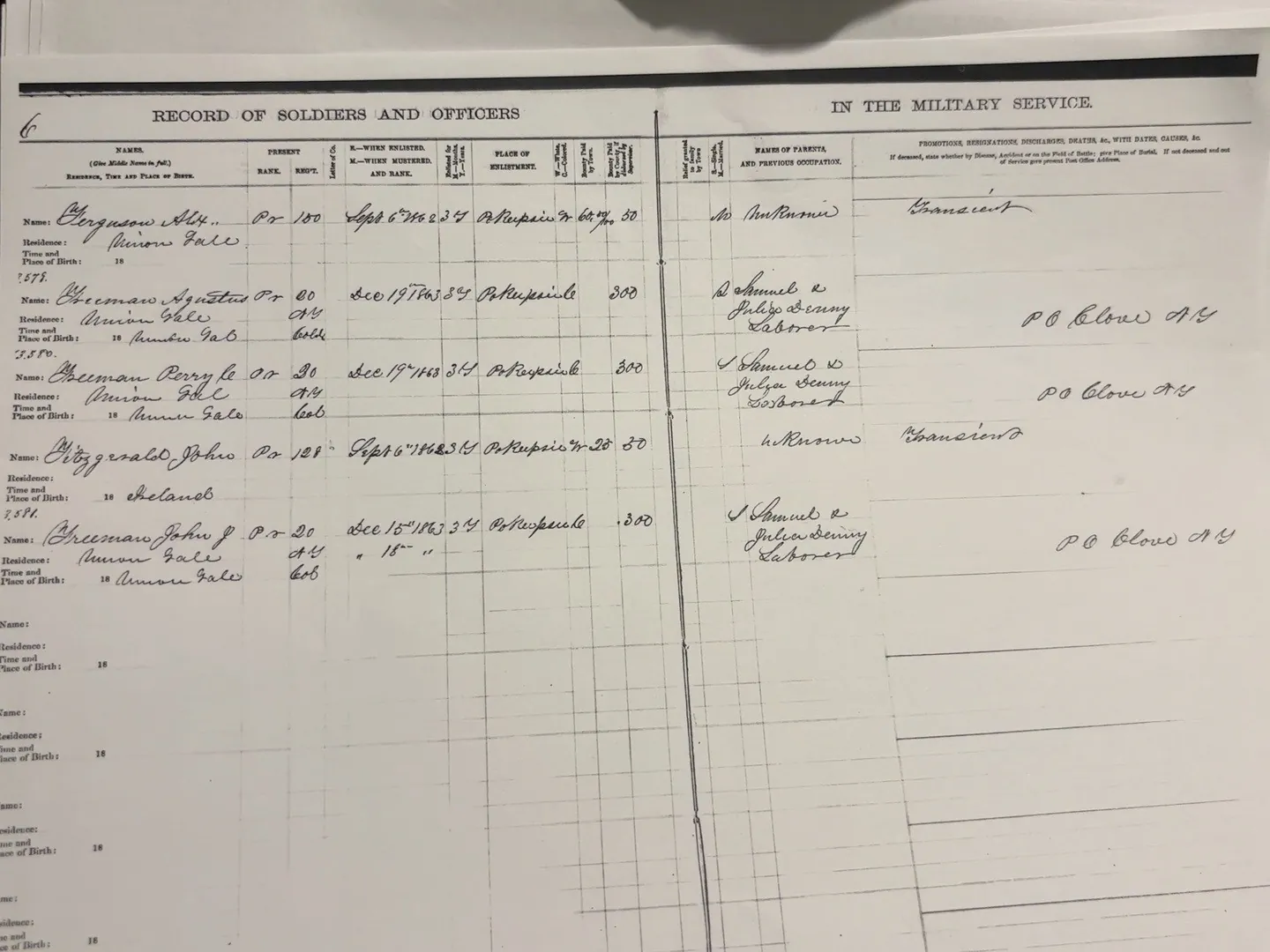
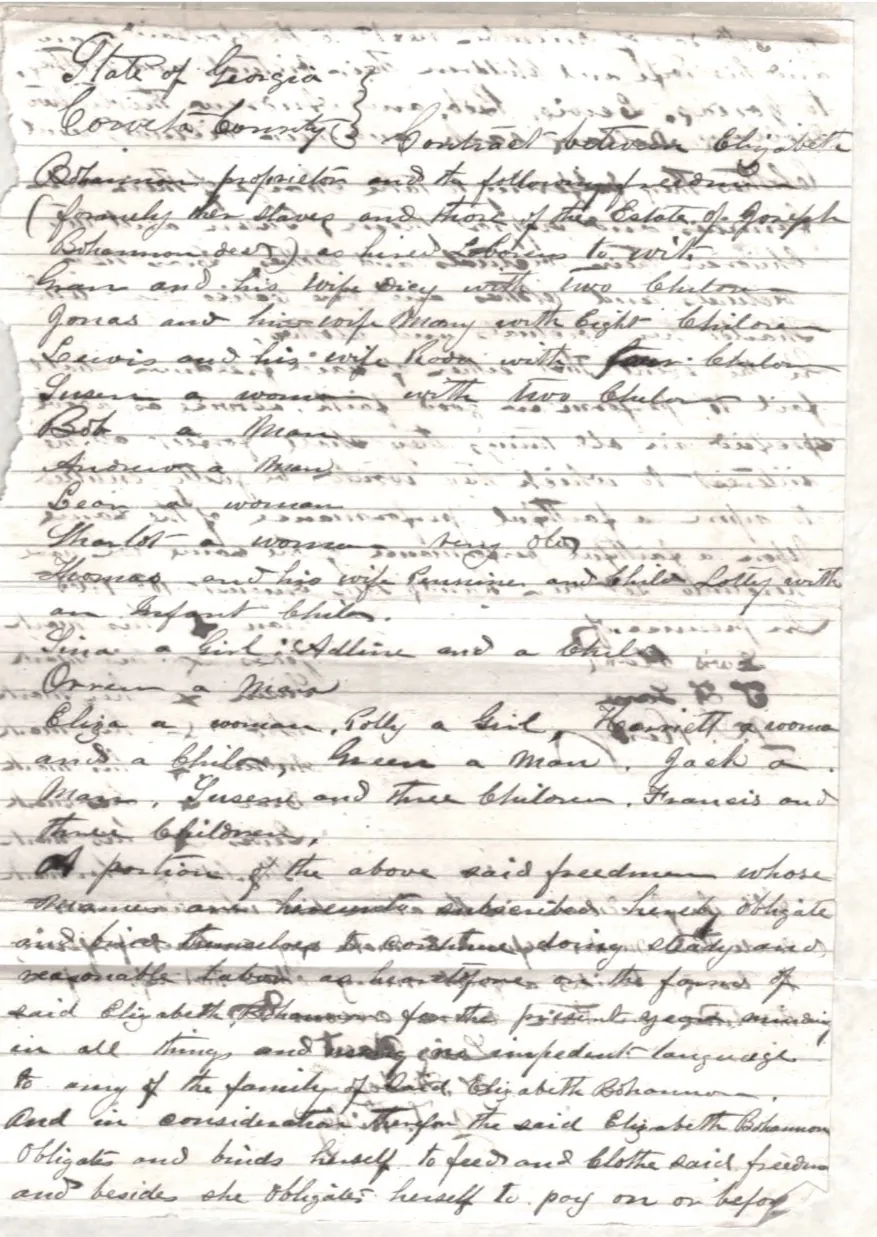
Land • Freeman lineMilitary • Freeman brothersFreedom & labor • Bohannon line
The journey behind the Institute
The records came first. The mission grew from them.
My work crosses generations, states, record types, and some of the most difficult periods in American history. It follows my family through slavery and emancipation, military service, landownership, migration, church life, marriage, death, changing racial classifications, and the everyday choices that created a legacy.
01MY BEGINNING • ABOUT 2020
Why I became a genealogist
I was introduced to genealogy when I discovered Dane Calloway on YouTube in about 2020, and I have been conducting extensive research ever since. Uncovering the history of relatives known and unknown is very exciting to me. It ignites a deeper connection with who I am and what I am bound to accomplish.
02A LIFELONG AFFAIR
Why genealogy is important
Researching one’s genealogy is a lifelong affair that most people never take the time to entertain. In reality, most people know nothing past their grandparents and have no clue where to start looking—or even why they would want to know. But once documented facts are placed in front of you to explain things you may have wondered about, curiosity may be piqued.
03THE NATIONAL HERITAGE AND RESEARCH INSTITUTE
Why I started the Institute
I developed the National Heritage and Research Institute because genealogy, to me, is more than a family tree. It is a journey through the ancestral abyss—a deep-dive look into the landscapes and laws of the jurisdictions affiliated with your family, and an understanding of the events taking place in history while your ancestors were living.
All of these things make up the world and the people we interact with today. So let’s say Yay to Genealogy.
Pedigree progress
Four generations of documented discovery.
This is a selected progress view, not yet a complete parent-to-child proof chart. It shows how far the founder’s research has reached using records currently presented by the Institute. Additional relatives and exact connecting generations will be added as the testimony and pedigree are completed.
FOUNDERJeffery StokesBorn 28 December 1999 • Bridgeport, Connecticut
1Great-grandmother
Mary Cromartie White
Rex, North Carolina → Bridgeport, Connecticut
1962 death notice and family network2Second-great-grandmothers
Minnie Freeman • Emma Patterson
Connecticut, New York, and Virginia
Baptism and marriage evidence3Third-great-grandparents
Augustus Freeman • Willie Bohannon and Emma Montgomery
Union Vale, New York and Coweta County, Georgia
Civil War and marriage records4Fourth-great-grandparents
Samuel Freeman and Julia Denny • Harvey and Cynthia Tallman • Andrew and Adline Bohannon
New York and Georgia
Land maps, deeds, and an 1865 labor contract
Research principles
What this journey demonstrates.
Begin with family knowledge.Record what relatives remember, then identify which sources can test each statement.
Follow people across places.Connect migration through censuses, churches, deeds, newspapers, military files, and community networks.
Separate fact from interpretation.State what a document directly says, what the researcher supplies, and what still requires proof.
Study the historical conditions.Understand the laws, institutions, classifications, and power structures surrounding each ancestor.
Preserve and share responsibly.Build citations, organize images, protect living people, and leave future generations a usable record.
See the evidence
The testimony is personal. The work is visible.
Explore the founder’s confirmed family documents and the source-by-source explanations that show how NHRI approaches genealogy.